Infrastructure Colocation
Kumo provides fully equipped technical space and racks for your servers, storage, network infrastructure and other critical hardware, while we take care of the environment that keeps them running: power, cooling, connectivity, security and monitoring.
Colocation
Housing
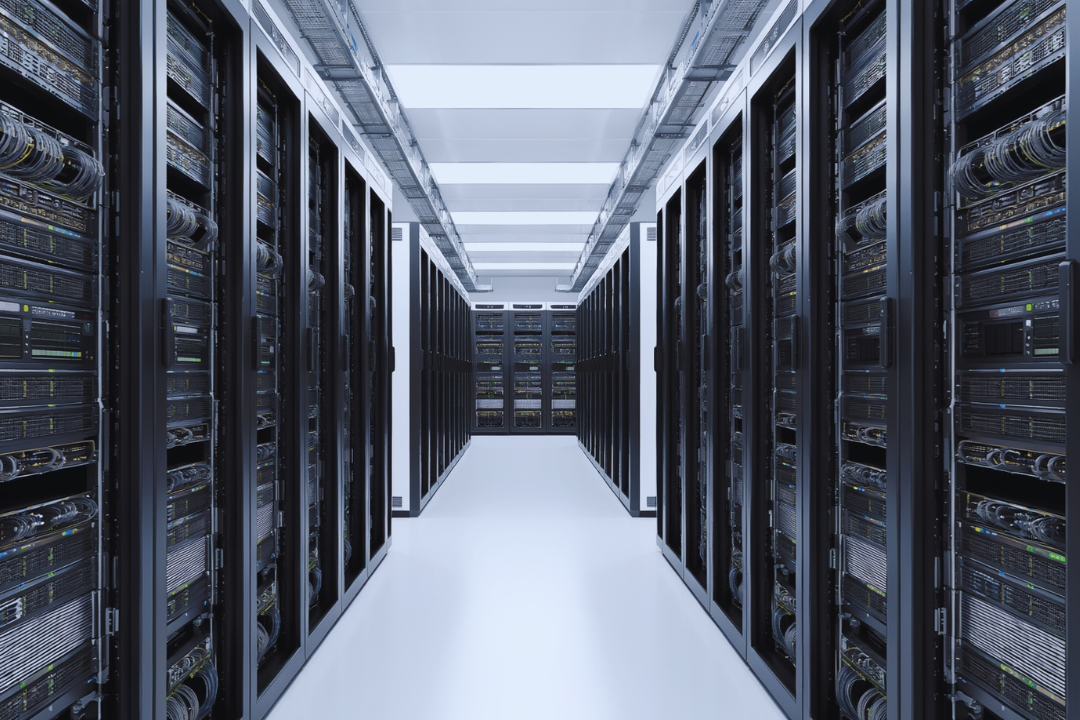
Kumo Colocation enables your organisation to move its hardware into infrastructure purpose-built for mission-critical systems, avoiding the investment, operational complexity and ongoing costs of building, maintaining and evolving your own data center.
Talk to an expert
Business continuity
Host your systems on infrastructure designed for mission-critical workloads, reducing dependence on your own facilities and strengthening operational resilience

Specialised power and cooling
Benefit from enterprise-grade power and cooling infrastructure without the cost and complexity of operating, maintaining and upgrading these systems on your own premises

Lower investment in your own data center
Avoid costly expansions and upgrades to your technical facilities while gaining access to the connectivity infrastructure required to keep your critical systems available and accessible.
Much more than technical space
Keeping critical servers and systems running requires far more than simply having a server room. It requires redundant power systems, specialised cooling, connectivity, fire protection, physical security, continuous monitoring and the ability to respond effectively when an incident occurs. Kumo Colocation brings these capabilities together in an infrastructure designed to protect critical technology and support business continuity.
A secure environment built for growth
Our Paterna data center in Valencia plays a strategic role in Kumo’s Colocation offering.
It provides significant capacity dedicated to hosting customer infrastructure and has been designed to support both today’s requirements and the future growth of organisations deploying business-critical equipment.
Valencia is also a key part of our growth roadmap. We plan to continue expanding capacity and strengthening our Colocation offering to support increasingly demanding projects and new generations of high-performance technology infrastructure.
Technology
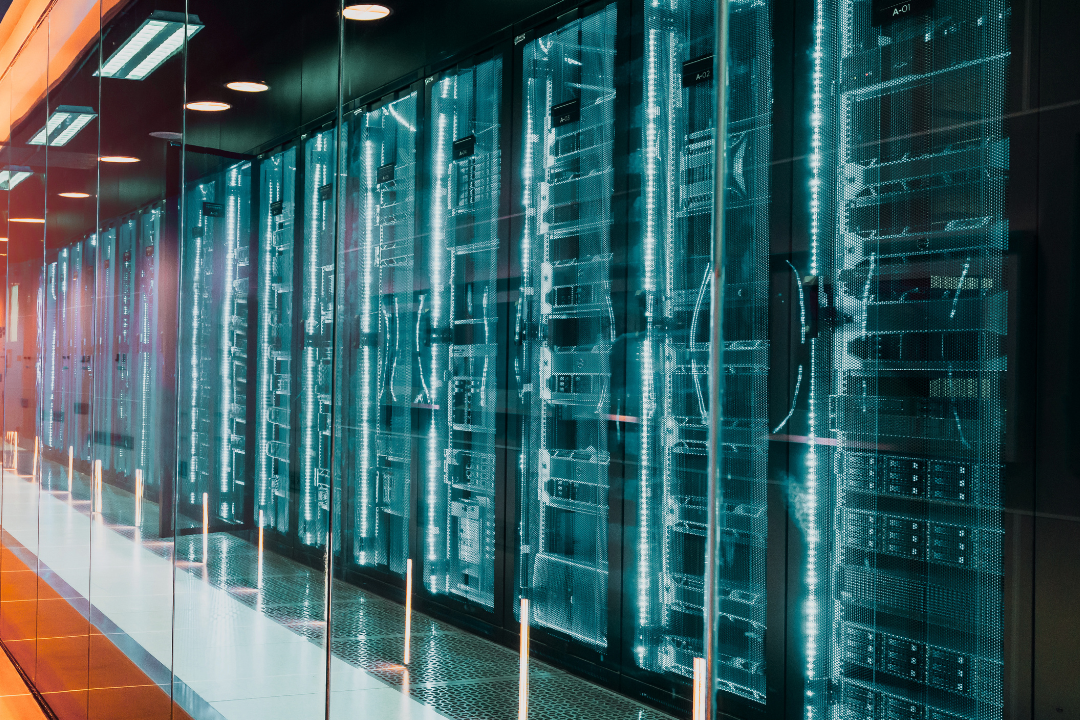
Kumo Colocation is built on the technological infrastructure of our data centers, designed to provide a resilient environment for mission-critical systems.
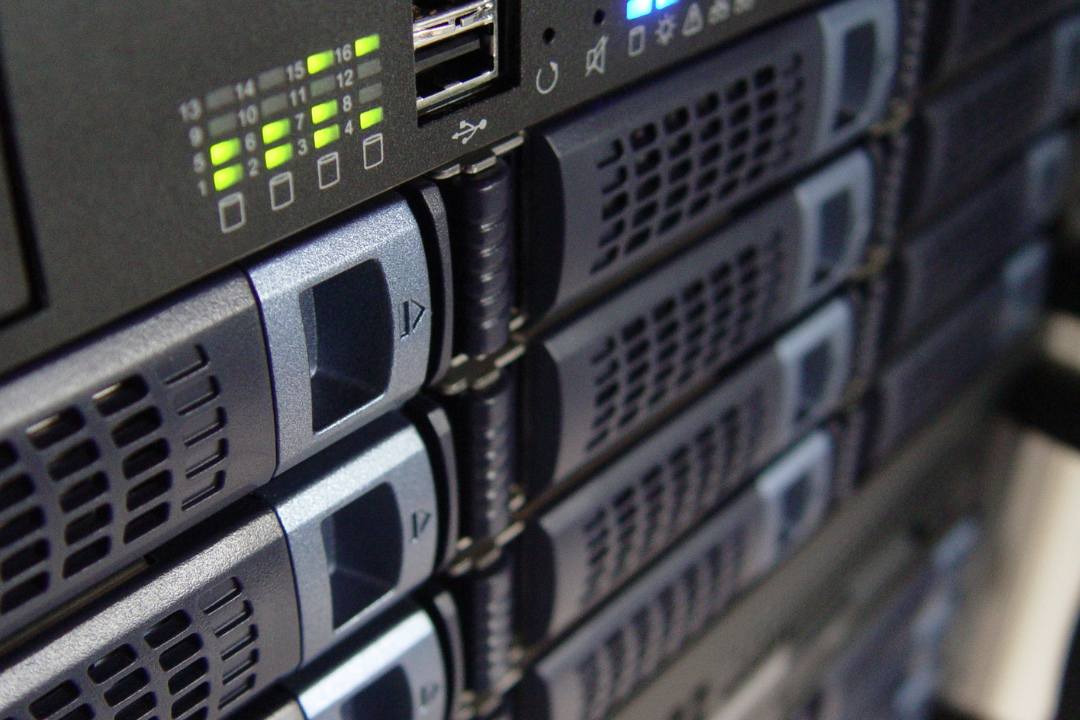
Racks are delivered pre-installed and ready to host customer equipment, supported by the data center’s power, cooling, connectivity, physical and logical security, protection and monitoring systems.
The architecture incorporates redundancy and systems designed to maintain service continuity even when individual infrastructure components experience an incident.
Kumo also continuously explores and adopts advanced cooling and energy-efficiency technologies to meet the requirements of a new generation of hardware with increasingly demanding power and heat dissipation needs.
All of this is supported by Tier IV infrastructure designed so that an incident does not have to become an interruption.
Built for the teams responsible for critical infrastructure
Kumo Colocation is particularly valuable for CIOs, CTOs, Infrastructure Managers, Systems Managers, Business Continuity Managers and IT teams that need to retain physical infrastructure without taking on the full complexity of protecting, operating and keeping it available in-house.
For IT teams, this means being able to focus on the systems, applications and technology projects that create value for the business, while Kumo manages the physical environment required to keep their equipment running.

Industries that can benefit from Colocation
Colocation is particularly relevant for organisations that operate critical physical infrastructure, regardless of industry.
It can deliver particular value to:
- Public sector organisations, hosting their own infrastructure in high-availability environments while maintaining Spanish and European data sovereignty.
- Manufacturing and industry, where specific systems and applications require dedicated infrastructure.
- Banking, insurance and financial services, supporting equipment with demanding availability, security and business continuity requirements.
- Healthcare, for critical systems and technology infrastructure.
- Telecommunications operators and technology service providers, requiring secure, resilient environments for their equipment.
- Software and IT services companies, hosting their own platforms or infrastructure supporting customer services.
- Retail and e-commerce, for systems requiring continuous availability.
- Logistics and transportation, supporting applications and infrastructure essential to day-to-day operations.
- Energy and utilities, where technology continuity is particularly critical.
- Universities and research centres, for computing, storage and advanced technology projects.
- Media and audiovisual companies, managing large volumes of data and specialised equipment.
- Large enterprises and corporations looking to partially or fully outsource the physical infrastructure currently hosted in their own data centers.